

The oil industry is integral to the global economy, but it also presents significant environmental risks that require careful consideration. Among the most pressing dangers are oil spills, which occur when petroleum is accidentally released into the environment, often leading to catastrophic consequences for marine and terrestrial ecosystems. For instance, the Deepwater Horizon spill in 2010 released approximately 4.9 million barrels of oil into the Gulf of Mexico, devastating local wildlife and communities reliant on fishing and tourism.
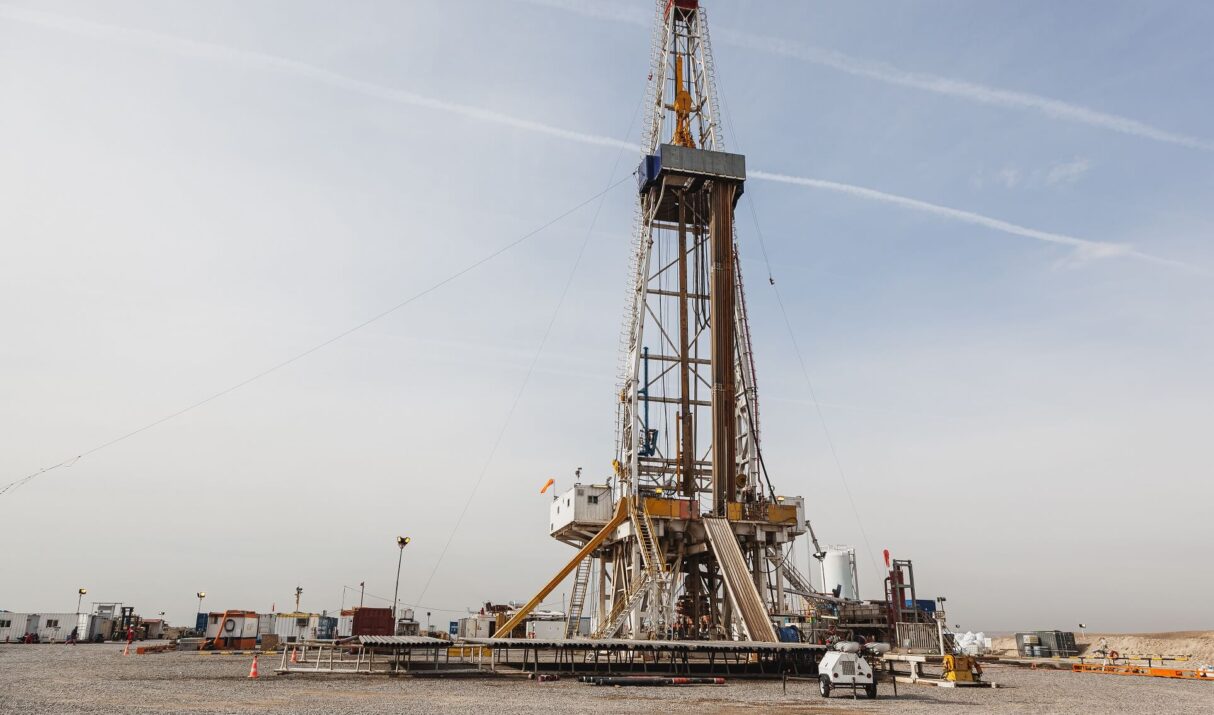
The global oil market plays a pivotal role in the world economy, serving as a crucial energy source and influencing a multitude of sectors. This market encompasses the production, distribution, and consumption of crude oil and petroleum products, which are essential for transportation, manufacturing, and electricity generation. Understanding this dynamic environment is vital for oil companies as they navigate various challenges and opportunities.
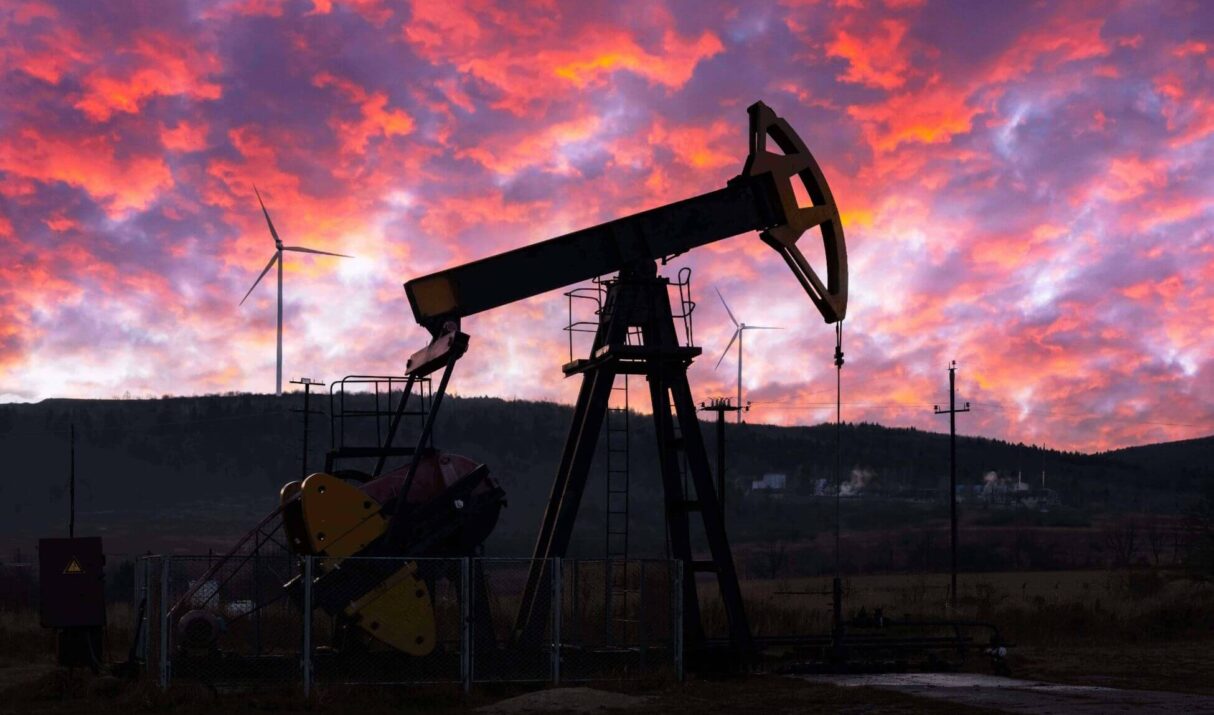
Sustainability in the oil and gas sector entails a comprehensive approach to managing environmental, social, and economic impacts associated with energy production and consumption. This sector faces considerable challenges, primarily due to its inherent environmental footprint, high carbon emissions, and the continual depletion of natural resources. These challenges highlight the urgent need for oil companies to adopt sustainable practices that align with both regulatory frameworks and public expectations.

Offshore drilling operations play a pivotal role in the oil industry, enabling the extraction of hydrocarbons from beneath the ocean floor. These operations are essential for meeting global energy demands, as they often access reserves that are unreachable through onshore drilling methods. The significance of offshore drilling is underscored by its ability to yield substantial quantities of oil and natural gas, often accounting for a major share of the overall production in many countries.
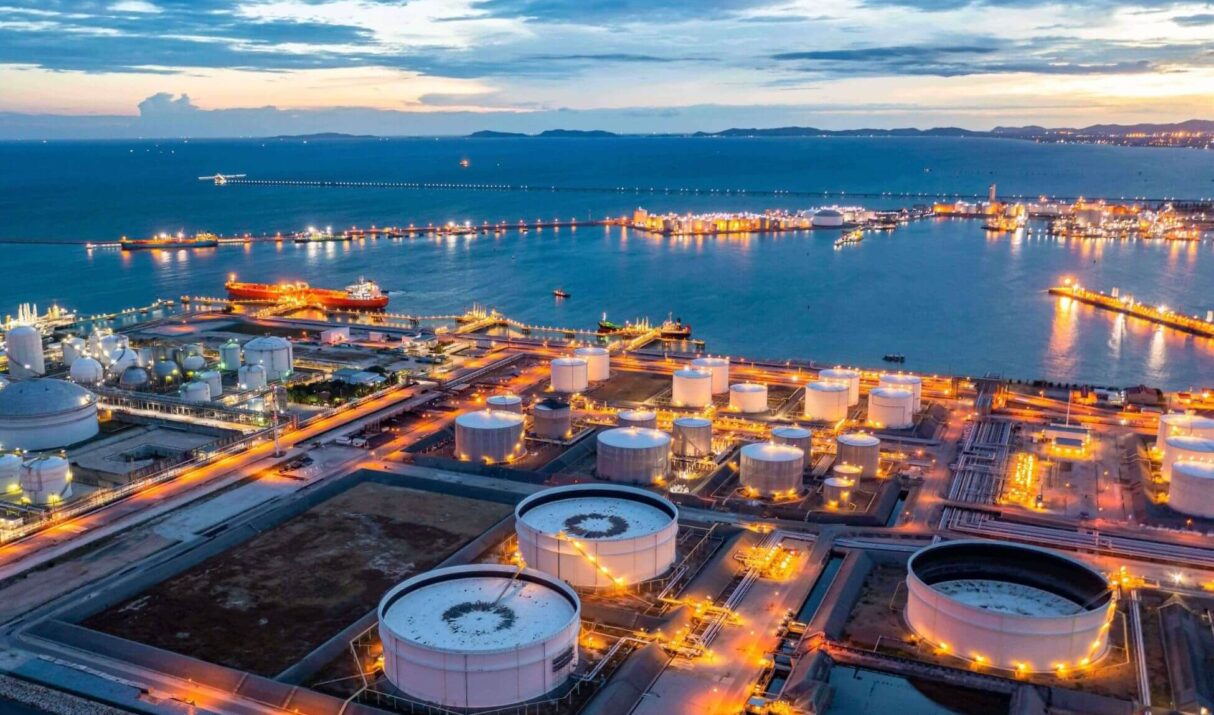
Digital transformation in the oil industry refers to the profound change that organizations undergo when they adopt digital technologies to optimize their operations and enhance overall efficiency. This transformation is not merely about implementing new technologies; it involves a cultural shift and rethinking existing business models to embrace innovation and enhance agility in a rapidly changing environment. In the oil sector, the significance of digital transformation is particularly pronounced due to the evolving challenges such as fluctuating oil prices, increased regulation, and the need for sustainable practices.